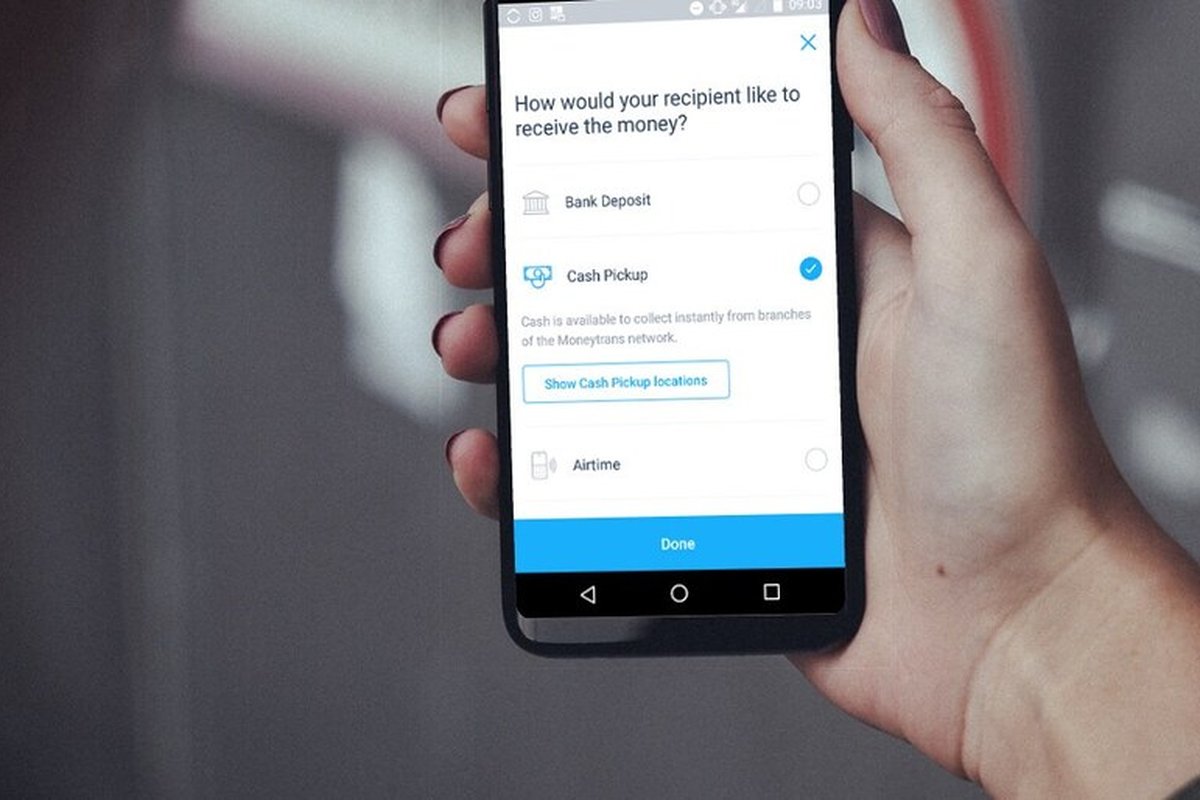
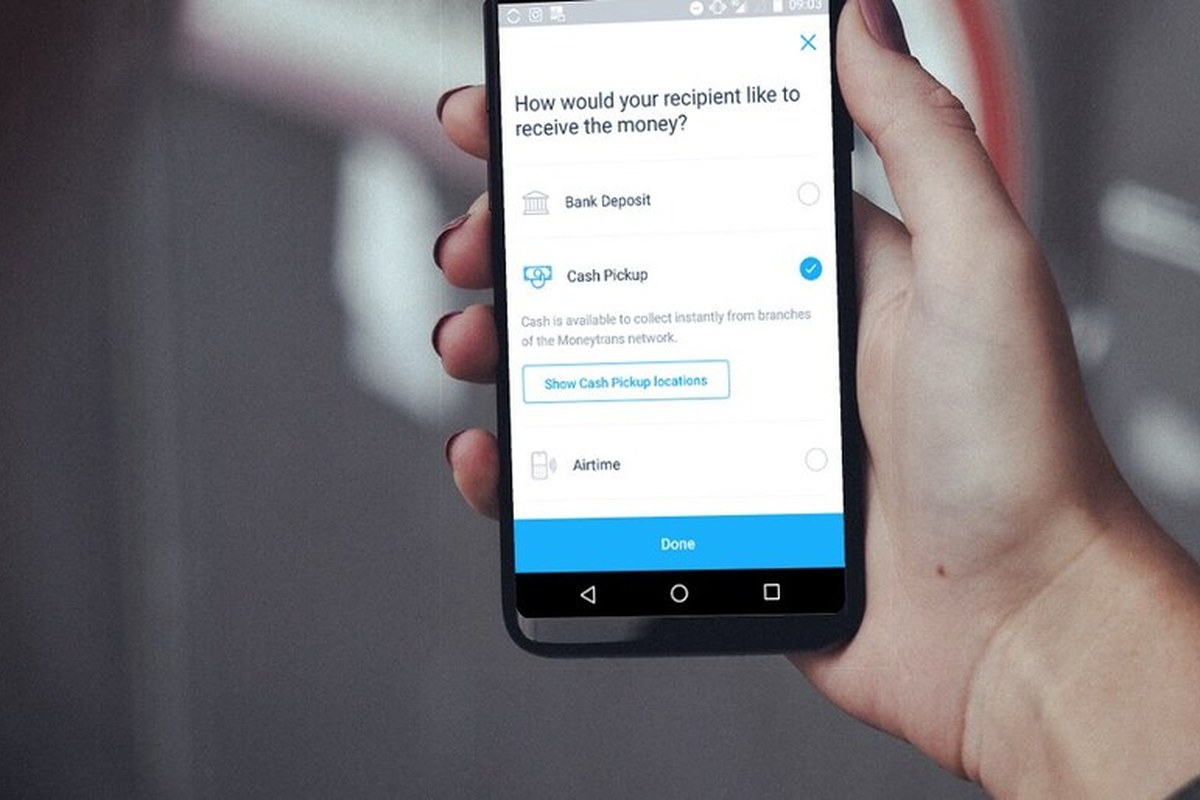
Closing a winning position is the easy part. Moving the money to a bank account is where the questions start: which withdrawal rails exist, what each one costs, and why an ACH transfer can still be clearing several business days later even when nothing is wrong. Retail withdrawal timing works differently from institutional settlement, and that difference is worth understanding before the first cash-out. This guide walks through Kalshi withdrawal methods, fees, realistic timelines, and bank-transfer costs, with primary sources listed at the end.
Kalshi is CFTC-regulated and operates in USD only. That regulatory structure means your funds sit in segregated accounts, which is good for safety but adds some process to moving money around. When you request a withdrawal, you're not pulling from some pooled crypto wallet. You're initiating a real bank transfer from a regulated entity.
There are currently two main ways to get cash out:
The method you choose depends on how urgently you need the funds and whether the fee is worth it for your withdrawal size.
Let's get specific about what you'll actually pay.
ACH withdrawals to your linked bank account are free. No percentage cut, no flat fee. This is the method most people use. The tradeoff is time, which the next section covers.
Wire transfers carry a $25 fee per withdrawal. That fee comes directly out of your withdrawal amount. If you're pulling $500, you net $475. If you're pulling $10,000, that $25 feels a lot more reasonable as a percentage.
A common rule of thumb: wires tend to make sense only for withdrawals over $2,000 when the money is genuinely needed within 24 hours. Otherwise, the free ACH option makes more sense.
Kalshi itself doesn't charge deposit fees or account maintenance fees. But your bank might. Some banks charge incoming wire fees (typically $15 to $25). Check with your bank before requesting a wire, or you could get hit on both ends.
This is where people get frustrated, usually because they don't understand the underlying banking rails.
Kalshi quotes 2 to 5 business days for ACH withdrawals. In my experience, it's usually 3 business days if you initiate early in the day on a weekday. Request a withdrawal Friday afternoon and you're looking at the following Wednesday or Thursday.
Key factors that affect timing:
Wires are faster. Kalshi says same-day or next business day, depending on when you submit. Wires submitted before noon Central can land the same day, often within a few hours. Submit late in the day or near a weekend, and next business day is more realistic.
Sometimes withdrawals take longer than expected. Common reasons include:
If you're withdrawing a significant amount for the first time, expect an extra day or two. Kalshi runs KYC on everyone, but large movements sometimes get a second look.
Before you can withdraw anything, you need a linked bank account. Kalshi uses Plaid for most account connections, which is the same service you've probably used for Venmo or other fintech apps.
Linking is free. No charge from Kalshi's side. Some banks are finicky with Plaid (looking at you, smaller credit unions), but most major banks connect without issues.
Once linked, that account becomes your default for both deposits and withdrawals. You can change it, but expect some verification steps if you do. This isn't Kalshi being difficult. It's standard anti-fraud procedure for any regulated financial platform.
For moving money on and off the platform efficiently, these are the patterns that matter:
I share observations like this in the Telegram channel I run, along with market-specific commentary. Nothing fancy, just real-time thoughts from someone who's actually trading.
Polymarket's crypto-native withdrawal process works differently (USDC, gas fees, wallet management), and conversion costs and exchange fees can offset the apparent price advantage when moving funds back to dollars.
Kalshi's model is simpler for US-based traders. You deposit dollars, you trade in dollars, you withdraw dollars. No token conversions. No gas fees. No wallet security concerns. The tradeoff is you're operating within traditional banking rails, which are slower but more familiar.
For the full list of available markets and current pricing, check kalshi.com directly. They update contract offerings regularly. For the trading side, the Kalshi fee calculator estimates the order-ticket fee under the July 7, 2026 schedule.
ACH withdrawals are free. Wire transfers cost $25 per transaction, deducted from your withdrawal amount. There are no percentage-based fees on withdrawals regardless of size. Your bank may charge its own incoming wire fee, so check with them before requesting a wire transfer to avoid surprises.
ACH withdrawals typically take 2 to 5 business days, with 3 days being common. Wire transfers usually arrive same-day or next business day. Timing depends on when you submit the request and whether any compliance reviews are triggered. Weekends and bank holidays extend all timelines.
Yes, but expect additional verification steps. Kalshi may require you to confirm the new account through Plaid and could take extra time reviewing the withdrawal request. For smoothest results, withdraw to the same bank you originally linked and deposited from.
Kalshi has a $1 minimum for ACH withdrawals. For wire transfers, there's no official minimum, but pulling small amounts via wire makes little sense given the $25 fee. Practically speaking, wiring anything under $1,000 rarely makes sense unless timing is critical.
Primary sources I checked: Kalshi's fee schedule (dated trading-fee formula plus deposit and withdrawal fee lines), Kalshi Help Center: Fees, and the CFTC KalshiEX designation (Kalshi's DCM status); verified September 1, 2026.
Not financial advice. This site provides educational information only. Trading involves risk, and you can lose money. Verify current market rules and do your own research.