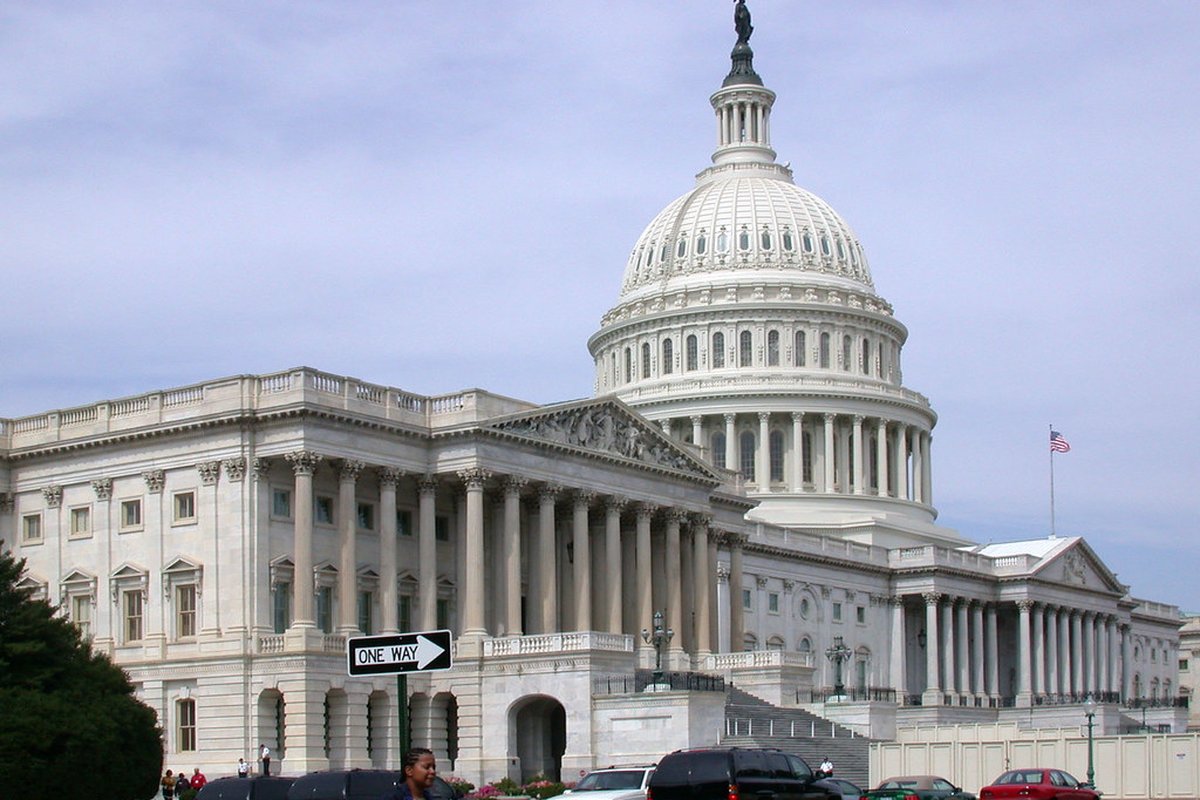
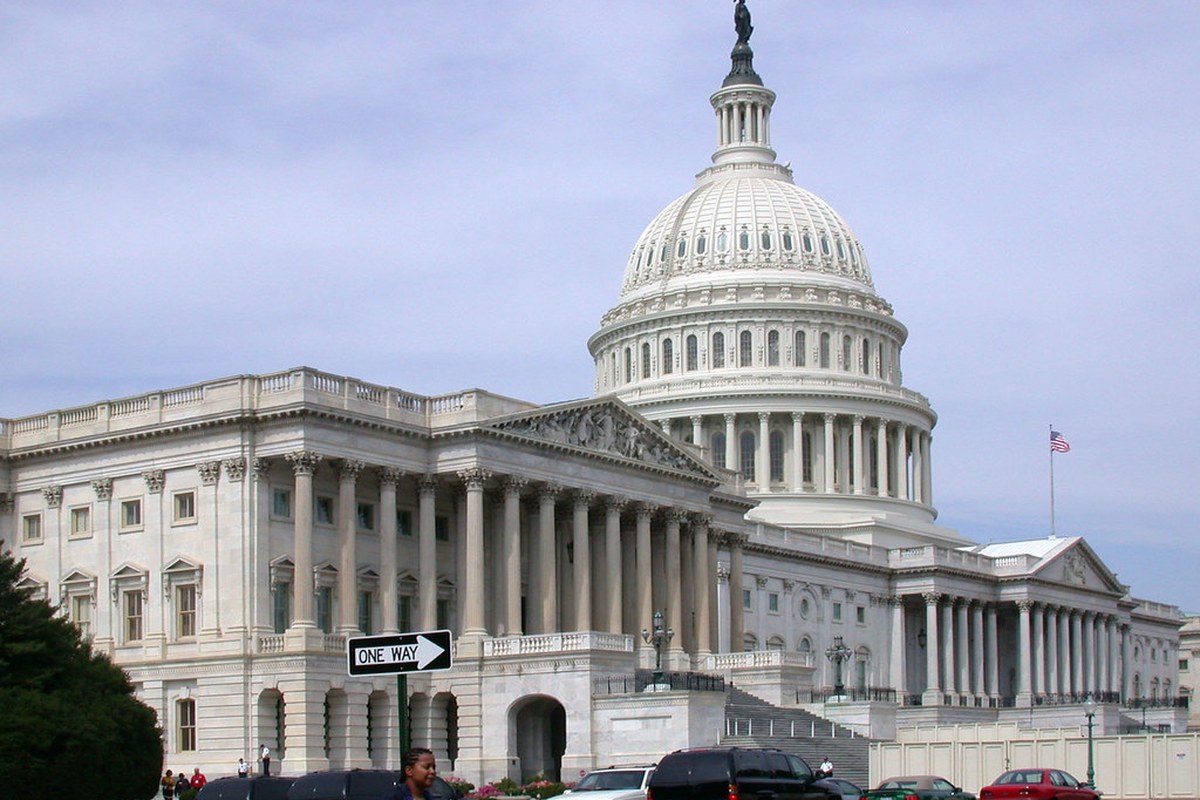
Every midterm cycle, I find myself staring at the same question: which party controls the House after the dust settles? In 2024, I watched political prediction markets swing wildly in the final weeks before Election Day. Now, with the 2026 midterms on the horizon, Kalshi has House control markets live and trading. I've been poking around the order books, checking settlement terms, and thinking through what actually matters for pricing these contracts.
Primary sources I checked: Kalshi's markets page for current House control contract listings, and the official U.S. House of Representatives website for baseline information on chamber composition and seat counts.
Kalshi runs binary event contracts on political outcomes, including which party will control the U.S. House after the November 2026 midterm elections. These are straightforward yes/no propositions. You're betting on whether Republicans or Democrats will hold the majority when the new Congress is seated in January 2027.
The contracts settle to $1 if the specified outcome occurs, $0 if it doesn't. If you buy "Republicans control the House" at 55 cents and Republicans win the majority, you collect $1 per contract. If they don't, you lose your 55 cents. Simple math, but the pricing reflects collective expectations about a complex political event.
Key contract features to understand:
Midterms historically punish the president's party. That's the baseline most political analysts start from. But "historically" covers a lot of variance, and prediction markets exist precisely because outcomes aren't predetermined.
A few factors make the 2026 House races interesting from a trading perspective:
I don't pretend to know how these factors will shake out. I spent years on a futures desk, not in political consulting. But I do know that markets this far from settlement carry significant uncertainty, and that uncertainty creates both risk and opportunity.
One thing I've learned trading prediction markets: liquidity matters more than most people realize. A contract priced at 60 cents doesn't help you if the bid-ask spread is 10 cents wide and you can only fill 50 contracts before moving the market.
For the House of Representatives 2026 markets on Kalshi, expect liquidity to evolve over time:
If you're sizing positions now, account for the possibility that you might not be able to exit cleanly at your target price. I generally start smaller on contracts with distant settlement dates and scale up as liquidity improves.
Prediction market prices move on information. For House control markets, certain events tend to trigger repricing:
I track some of this in the Telegram channel I run at @Kalshi_market, mostly sharing observations about market movements and what might be driving them.
I traded on Polymarket before getting geofenced out as a U.S. resident. Kalshi is different in several ways that matter for House control markets:
If you're comparing prices across platforms, remember that settlement criteria might differ slightly, and liquidity definitely varies. Don't assume a price gap is free money until you've checked the fine print on both sides.
I'm skeptical of anyone who sounds too confident about political predictions 18 months out. Here's what I think about when sizing risk:
I don't bet more on political markets than I can afford to lose. That's not a disclaimer (though it is that too). It's just practical advice from someone who has watched confident predictions collapse more than once.
Settlement occurs after the November 2026 midterm elections, based on which party controls 218 or more seats when the new Congress convenes in January 2027. Kalshi specifies exact settlement criteria in the contract terms, so check the rules page for the specific market before trading. Settlement typically happens within a few days of the outcome becoming official.
Kalshi can be accessible internationally, but availability depends on your jurisdiction. Kalshi's Member Agreement lists restricted countries and territories. You'll need to complete identity verification regardless of location. Check Kalshi's eligibility requirements and confirm compliance with your local laws before attempting to open an account or trade.
Kalshi charges fees on trades, and the structure can vary. As of my last check, fees apply per contract on both entry and exit. The exact amounts may have changed, so verify current fees on Kalshi's website before trading. Fees matter more on high-frequency strategies or tight spreads, less if you're buying and holding to settlement.
A perfect 217-217 tie is theoretically possible but extremely unlikely. Kalshi's contract rules should specify how edge cases settle. If the contract asks "Will Republicans control the House," a tie would mean no party controls 218 seats, so that contract would likely settle to No. Always read the specific settlement criteria before trading to understand how unusual scenarios resolve.
Not financial advice. This site provides educational information only. Trading involves risk, and you can lose money. Verify current market rules and do your own research.