

Macro events move stocks. A single hawkish Fed surprise or a hot inflation print can drag an equity portfolio down for days. Kalshi's macro event contracts give retail traders a way to take a defined-risk position on exactly those catalysts: instead of shorting futures or buying index puts, you buy a YES or NO contract on the event itself. This guide explains how traders use these markets as supplemental hedges for stock portfolio risk, what they can and cannot do, and where the limits are.
If you've got a six or seven figure portfolio, you can buy SPX puts, roll VIX calls, or short futures; those are the tools institutional desks use for exactly that. But for accounts under $100k, the math gets ugly fast.
Kalshi contracts don't replace these tools. But they offer something different: direct exposure to the event itself, not the derivative of the derivative. You're not betting the VIX spikes. You're betting the Fed cuts by 50 bps. That's a cleaner trade.
Not every macro print matters. Traders sometimes obsess over durable goods orders while ignoring the one report that actually sets the tone for the quarter. The events that matter most for equity portfolios:
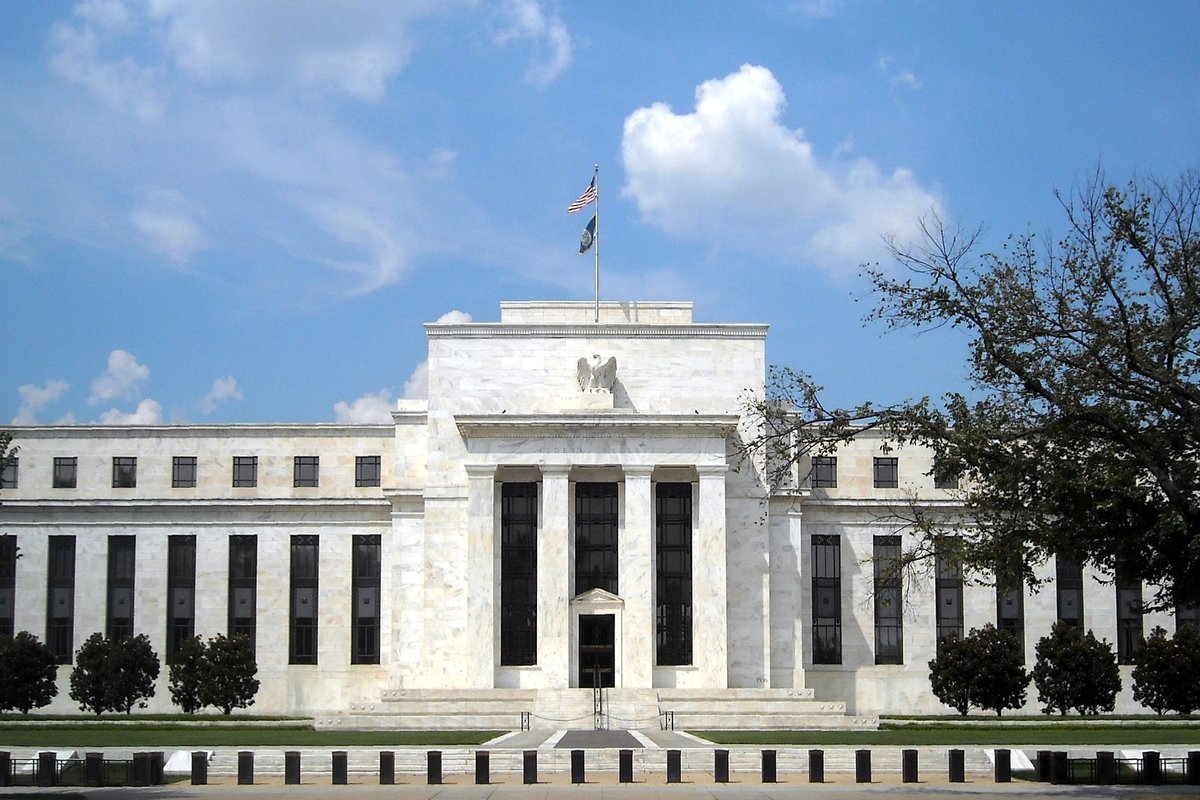
The FOMC meets eight times a year, and at least two or three of those meetings create real volatility. Kalshi runs markets on the Fed's rate decision for each meeting. If you're long growth stocks heading into a December meeting and you're worried about a hawkish surprise, buying YES on "Fed raises rates" can offset some of that pain. The contracts settle based on the actual FOMC statement, no ambiguity.
CPI day is still capable of moving the S&P 1% or more in either direction. Kalshi has year-over-year CPI markets where you can take a position on whether inflation comes in above or below certain thresholds. If your portfolio is rate-sensitive (think long-duration tech, REITs, bonds), a position on CPI can act as a partial hedge when you expect the published consensus to be wrong.
Kalshi runs recession markets asking whether the US will enter a recession by a certain date. These aren't perfect hedges because the NBER declares recessions with a lag. But the contracts move with sentiment, and that sentiment correlates with equity drawdowns. If you're worried about a hard landing, these markets let you take a position without shorting the index outright.
Kalshi positions should not be treated as full hedges. A more useful mental model is insurance with a defined cost. A practical framework:
The goal isn't to make money on the hedge. The goal is to sleep better and avoid panic selling when the tape goes red.
It is worth being clear about limitations. Kalshi is CFTC-regulated, USD-only, and requires KYC. That's actually a feature if you're US-based, since you're not dealing with offshore counterparty risk. But the markets have constraints:
Kalshi View publishes source-backed market notes and new articles in @Kalshi_market. It is not trade alerts, just educational coverage of how these markets work.
Suppose a hypothetical trader is overweight rate-sensitive equities (long-duration tech, semiconductor names) heading into a Fed meeting where the market expects a dovish outcome, and they are worried about a hawkish surprise. The hedge-aligned move on Kalshi is buying YES on the hawkish outcome (for example, a "Fed raises rates" market), so that if the feared result hits, the contract payout offsets part of the equity drawdown.
Two outcomes follow. If the Fed does turn hawkish, the equities likely fall but the contracts pay out $1 each. If the Fed stays dovish, the contracts expire worthless, but the equities likely hold or rally. One side usually pays while the other does not; that asymmetry is the point. The goal of a hedge is managing the range of outcomes, not winning on both legs.
Hedging your stock portfolio with macro Kalshi markets works best when:
It doesn't make sense when:
Be skeptical of anyone who claims they've found a perfect hedging strategy. Markets are messier than models. But defined-risk contracts with clear settlement criteria are a legitimate additional tool when used with realistic expectations and sized like insurance, not like a second portfolio.
The CFTC press release designating KalshiEX, LLC as a designated contract market (HTTP 200 today), the Federal Reserve's official FOMC meeting calendar (HTTP 200 today), and Kalshi's own market and API documentation (HTTP 200 today) are the primary references behind this page. For related coverage, see the September 2026 Fed decision week checklist and the August 2026 CPI settlement recap.
No. Kalshi contracts have position limits and the correlation between macro events and stock movements isn't perfect. Think of them as partial insurance or supplemental hedges rather than complete protection. They work best for event-specific risk where you want defined exposure to a particular outcome, not as a replacement for traditional hedging instruments.
There is no universal number, and any specific percentage is an example, not a recommendation. Keep event hedges small enough that the premium behaves like insurance rather than a second portfolio, and check Kalshi's published market rules and position limits before sizing anything. If hedging costs start driving decisions, the sizing is wrong.
Kalshi contracts have specific settlement criteria published before trading opens. They use official data sources like the BLS for CPI or the Federal Reserve for rate decisions. Disputes are rare because the settlement terms are clear. If you're unsure how a market settles, read the contract specs before trading.
Yes. Kalshi is regulated by the CFTC as a designated contract market. US residents can legally trade on the platform after completing KYC verification. This is different from offshore prediction markets that operate in a legal gray area. You'll receive tax documents and your funds are held in regulated accounts.
Not financial advice. This site provides educational information only. Trading involves risk, and you can lose money. Verify current market rules and do your own research.