By Kalshi View Editorial Team · 2026-07-14

Government Shutdown Probability Markets on Kalshi

Government Shutdown Probability Markets on Kalshi

When congressional budget negotiations stall, traders start looking for ways to position around the outcome. Government shutdown probability markets on Kalshi let you take a direct yes/no position on whether federal funding will lapse by a specific deadline. Unlike betting on downstream effects through equities or bonds, these contracts settle based on a clear binary event: did the government shut down or not?

Primary sources I checked: Kalshi's markets page for contract availability and general structure, and the CFTC's designation order for Kalshi confirming its status as a regulated designated contract market (DCM). For shutdown definitions and historical context, the Office of Management and Budget (OMB) and Congressional Research Service reports provide official government guidance on funding gaps.

What Are Government Shutdown Markets on Kalshi?

Government shutdown probability markets on Kalshi are event contracts that pay out based on whether the federal government experiences a funding lapse by a specified date. These are binary contracts, meaning you buy "Yes" if you believe a shutdown will occur or "No" if you expect Congress to pass funding legislation in time.

Kalshi is a CFTC-regulated exchange, which means these contracts are legally traded, USD-settled, and subject to federal oversight. Traders must complete identity verification to participate. Current availability, exact strike dates, and settlement rules should be verified directly on the Kalshi platform before placing any trades.

Key characteristics of these contracts typically include:

How Shutdown Probability Contracts Settle

Settlement is the critical detail for any prediction market contract. For government shutdown markets, the resolution typically depends on whether a funding gap officially begins. This is not a subjective determination. The Office of Management and Budget issues formal guidance when appropriations lapse, and federal agencies begin shutdown procedures accordingly.

Traders should check the exact settlement language on each Kalshi contract. Some contracts may specify a "shutdown lasting at least X hours" threshold, while others may settle based on any official funding lapse, however brief. The distinction matters if Congress passes a last-minute deal at 11:59 PM versus 12:01 AM.

Official sources for confirming shutdown status include:

Why Traders Watch Government Shutdown Probability Markets

Shutdown events create ripple effects across financial markets. Federal contractors lose revenue, government workers face furloughs, and economic data releases get delayed. For traders already positioned in sectors like defense, healthcare, or government services, a shutdown contract can function as a hedge.

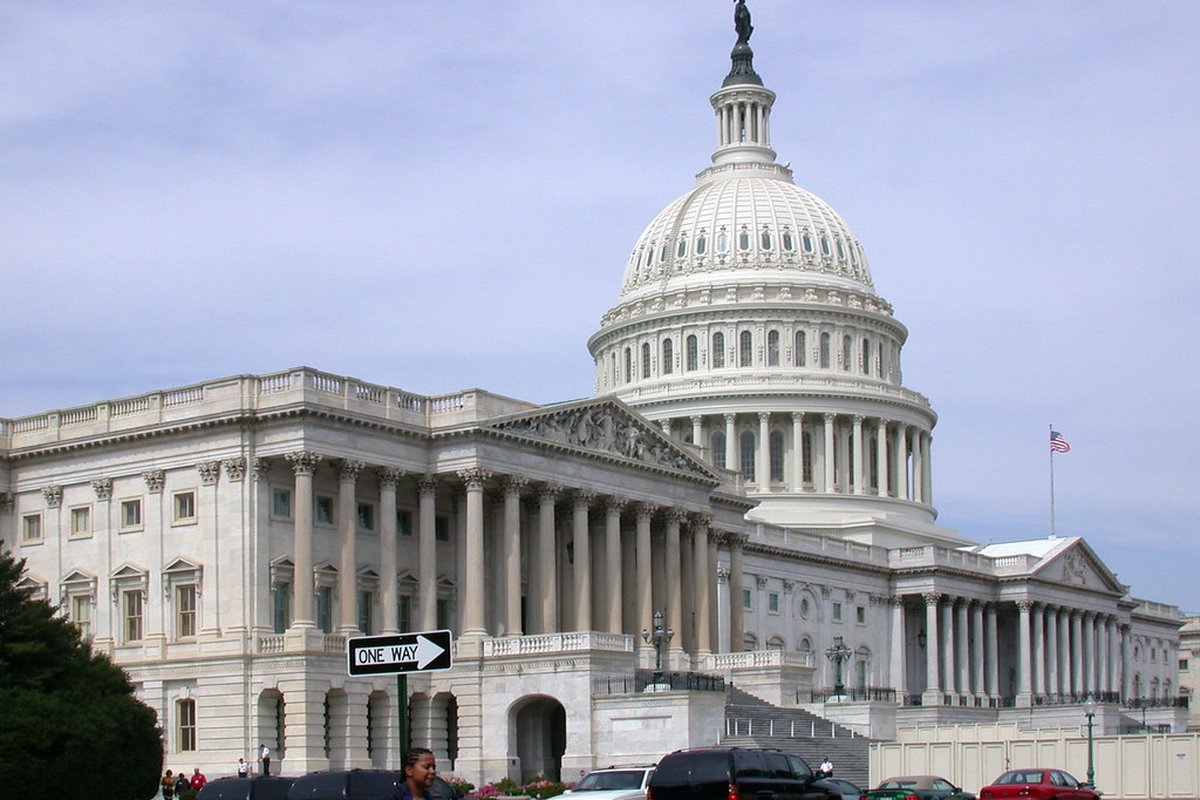
Government Shutdown Probability Markets on Kalshi - us capitol building (photo 1)

Others use these markets for pure speculation. If you follow congressional negotiations closely and have a view on whether leadership can reach a deal, government shutdown probability markets on Kalshi offer a direct way to express that thesis without the noise of equity markets.

Some practical use cases include:

Traders in the @Kalshi_market Telegram channel often discuss upcoming funding deadlines and share interpretations of congressional vote counts.

Key Dates and Funding Deadlines to Monitor

Government funding operates on the federal fiscal year, which runs from October 1 through September 30. When Congress fails to pass appropriations bills by October 1, it typically passes continuing resolutions (CRs) that extend funding temporarily. Each CR creates a new potential shutdown deadline.

To trade these markets effectively, you need to track:

Historical shutdowns have lasted anywhere from a few hours to 35 days (December 2018 to January 2019). The duration matters less for most Kalshi contracts than the binary question of whether a lapse occurs at all. Still, understanding historical patterns helps calibrate probability estimates.

Risks and Considerations for Trading Shutdown Markets

These contracts carry unique risks beyond standard market volatility. Congressional negotiations can shift rapidly based on unrelated political developments. A deal can materialize at the last minute, or negotiations can collapse unexpectedly over procedural disputes.

Liquidity varies depending on how close the market is to the funding deadline. Contracts may be thinly traded weeks in advance but see increased volume as deadlines approach. Wide bid-ask spreads can make entry and exit more expensive during quiet periods.

Government Shutdown Probability Markets on Kalshi - federal reserve eccles building (photo 2)

Other factors to consider:

Verify the exact contract rules, settlement sources, and expiration timing on Kalshi's website before trading. Do not assume contract terms based on previous shutdown markets.

Frequently Asked Questions

How do government shutdown probability markets on Kalshi settle?

Settlement typically depends on whether the federal government officially experiences a funding lapse by the contract's expiration date. The specific settlement source varies by contract but often references OMB guidance or official White House announcements. Traders should read the exact settlement language on each contract, as some may require a shutdown of minimum duration while others settle on any funding gap. Always verify current rules directly on Kalshi.

Are Kalshi government shutdown contracts available year-round?

Availability depends on upcoming funding deadlines. Kalshi typically lists shutdown contracts when continuing resolutions or appropriations bills create near-term expiration dates. During periods of stable multi-year funding, these markets may not be active. Check the Kalshi markets page directly to see which contracts are currently listed and trading. Contract availability is not guaranteed for every potential funding lapse.

What official sources confirm whether a government shutdown has occurred?

The Office of Management and Budget issues formal guidance when appropriations lapse and agencies must implement contingency plans. Additional confirmation comes from agency-specific shutdown plans, White House statements on bill signings or vetoes, and Congressional Record entries documenting appropriations votes. CRS reports also provide official analysis. These sources help traders verify settlement outcomes independently.

Can international traders access Kalshi government shutdown markets?

Kalshi can be accessible internationally, subject to its Member Agreement, restricted jurisdictions, identity verification requirements, and local law. The platform is CFTC-regulated and USD-settled. Eligibility is not limited strictly to US residents, but certain countries are restricted. Traders outside the United States should review Kalshi's current terms and verify their eligibility before attempting to open an account or place trades.

Not financial advice. Prediction-market trading is speculative, and you can lose money. Do your own research.

For new Kalshi guides and market notes, follow @Kalshi_market. Free, no signup, no upsell.