By Jake Morrison · 2026-07-01

Foreign Policy on Kalshi: Tariffs, Sanctions, and Trade Deals

Foreign Policy on Kalshi: Tariffs, Sanctions, and Trade Deals

Every time a trade negotiation heats up or sanctions headlines hit the wire, I find myself checking two things: the actual policy source and then Kalshi. Foreign policy moves markets in ways that are hard to price through traditional instruments. Equities react late, options premiums spike unpredictably, and most retail traders are left guessing. Prediction markets let me express a direct view on the policy outcome itself, not some derivative of it.

Primary sources I checked: Kalshi's markets page for contract availability and settlement rules, the Office of the United States Trade Representative for tariff policy context, and the Treasury Department's OFAC page for sanctions program information.

Why Foreign Policy Markets Exist on Kalshi

Kalshi is a CFTC-regulated exchange, which means it can list event contracts on outcomes that have clear, verifiable resolution criteria. Foreign policy actions often fit this mold well. A tariff either gets imposed by a certain date or it doesn't. Sanctions either get lifted or they remain. A trade deal either gets signed or it falls apart.

These are binary outcomes with definable settlement sources. That's exactly what prediction markets need to function. The challenge is that geopolitical events often involve moving targets, unofficial announcements, and interpretation disputes. So the contract language matters more here than in most other market categories.

Current availability and exact pricing for any foreign policy contract must come from Kalshi directly. Contracts appear, expire, and change based on news cycles and regulatory approval. I check kalshi.com before assuming anything is live.

Types of Foreign Policy Contracts Worth Watching

Based on what Kalshi has listed historically and the kinds of events that generate tradeable outcomes, here are the main categories:

Tariff Implementation Markets

Tariff announcements and actual implementation are two different things. An administration can announce a 25% tariff on a specific country's goods, then delay, modify, or reverse it before the effective date. Markets on whether a tariff actually takes effect by a specific deadline let you trade the gap between political theater and policy reality.

Key factors I watch:

Sanctions and OFAC Actions

Treasury's Office of Foreign Assets Control maintains sanctions programs against countries, entities, and individuals. Changes to these programs are verifiable through official OFAC announcements. Markets might cover whether specific sanctions get lifted, expanded, or maintained past a certain date.

The tricky part: OFAC actions can be partial. A sanctions "easing" might mean licenses for specific transactions rather than full removal. Contract settlement criteria need to be precise about what counts as resolution.

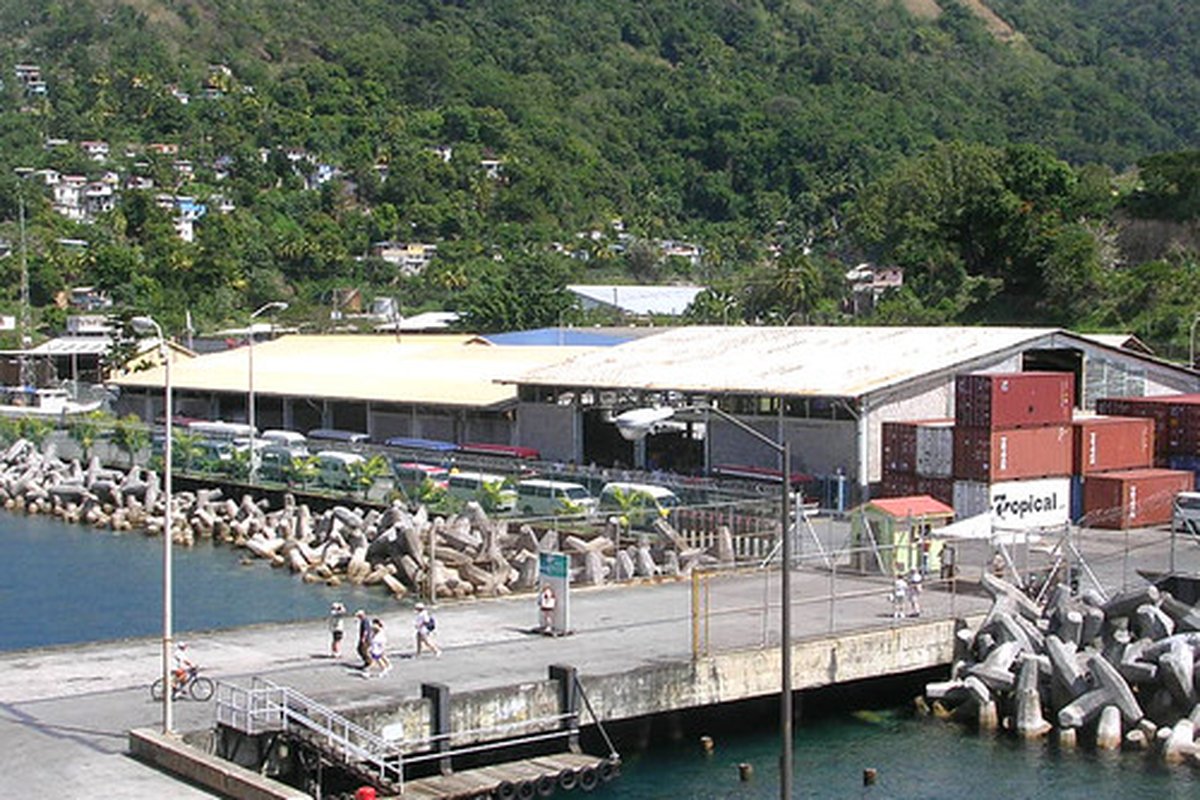
Foreign Policy on Kalshi: Tariffs, Sanctions, and Trade Deals - shipping containers port (photo 1)

Trade Agreement Deadlines

Trade negotiations have public deadlines that frequently slip. Whether a deal gets signed, ratified, or implemented by a certain date is often tradeable. The USTR and Commerce Department publish negotiation updates, and Congress has specific procedures for approving trade agreements that create natural timeline markers.

Settlement Sources and Verification

This is where foreign policy markets get complicated. Unlike a jobs report that drops at 8:30 AM from the BLS, geopolitical events often unfold over days with conflicting reports. Before trading any foreign policy contract on Kalshi, I verify:

For any specific contract, the Kalshi rules page for that market is the authoritative source. I treat Reuters, AP, and official government pages (State Department, Treasury, USTR) as the news sources worth trusting for context.

Practical Considerations for Foreign Policy on Kalshi

Trading geopolitical events has different dynamics than trading economic data or elections. A few things I've learned to watch for:

Liquidity varies wildly. A tariff deadline that's three weeks away might have thin order books until headlines pick up. Don't assume you can exit at the mid-price.

News cycles create volatility spikes. A single tweet or press conference can move these markets 20 or 30 cents in minutes. I try to have my view formed before the news hits, not during.

Time zones matter. Policy announcements from Asian or European trading partners often come outside US market hours. Prices can gap when US traders wake up.

Settlement delays happen. If an outcome is disputed or ambiguous, Kalshi may need time to verify against official sources before settling contracts.

I share observations and contract updates in the Telegram channel I run when interesting foreign policy markets pop up.

Foreign Policy on Kalshi: Tariffs, Sanctions, and Trade Deals - us capitol building dome (photo 2)

Comparing to Other Ways to Trade Policy

Before Kalshi, the main ways to express a view on tariffs or sanctions were indirect. You could buy or short stocks exposed to the policy, trade currency pairs, or use sector ETFs. All of these come with basis risk. The stock might react to earnings even if your policy call was right. The currency pair might move on rate differentials unrelated to trade policy.

Prediction markets remove that basis risk. You're trading the event itself. If you're right about whether the tariff takes effect, you win. No worrying about whether the market "prices it in" the way you expected.

The tradeoff is that Kalshi markets have position limits, lower liquidity than major futures markets, and you need to wait for settlement. For smaller conviction trades or hedging a portfolio view, this can make sense. For large directional bets, the capacity isn't there.

Eligibility and Access Notes

Kalshi is CFTC-regulated, USD-settled, and requires identity verification. The platform can be accessible internationally subject to the Member Agreement, restricted jurisdictions, identity verification, and local law. Check your eligibility directly on their site before funding an account.

Frequently Asked Questions

What types of foreign policy events can I trade on Kalshi?

Kalshi has historically listed contracts on tariff implementations, sanctions changes, and trade agreement deadlines. The specific contracts available change based on news cycles and regulatory approval. Current availability must be verified directly on Kalshi's markets page, as contracts expire and new ones get listed based on evolving geopolitical situations.

How does Kalshi settle foreign policy contracts?

Settlement depends on the specific contract rules, which reference official sources like Federal Register publications, Treasury OFAC announcements, or USTR statements. Each contract has defined settlement criteria. I always read the rules page for any market before trading, because the exact settlement source and timing vary by contract.

Are tariff prediction markets legal in the United States?

Kalshi operates as a CFTC-regulated Designated Contract Market, which means its listed contracts have received regulatory approval. Tariff and foreign policy event contracts that appear on Kalshi have gone through this approval process. This is different from unregulated offshore platforms. Always verify specific contract eligibility based on your jurisdiction.

Where can I find official sources for foreign policy settlement verification?

The main official sources include the Office of the United States Trade Representative for tariff policy, Treasury's OFAC page for sanctions programs, the State Department for diplomatic agreements, and the Federal Register for formal policy implementations. Reuters and AP serve as reliable news sources for real-time context on geopolitical developments.

Not financial advice. I trade my own money and you can lose yours. Do your own research.

Want the live channel? I post trade ideas and quick takes on Kalshi markets at @Kalshi_market. Free, no signup, no upsell.