By Kalshi View Editorial Team · 2026-06-15 · Updated 2026-07-19
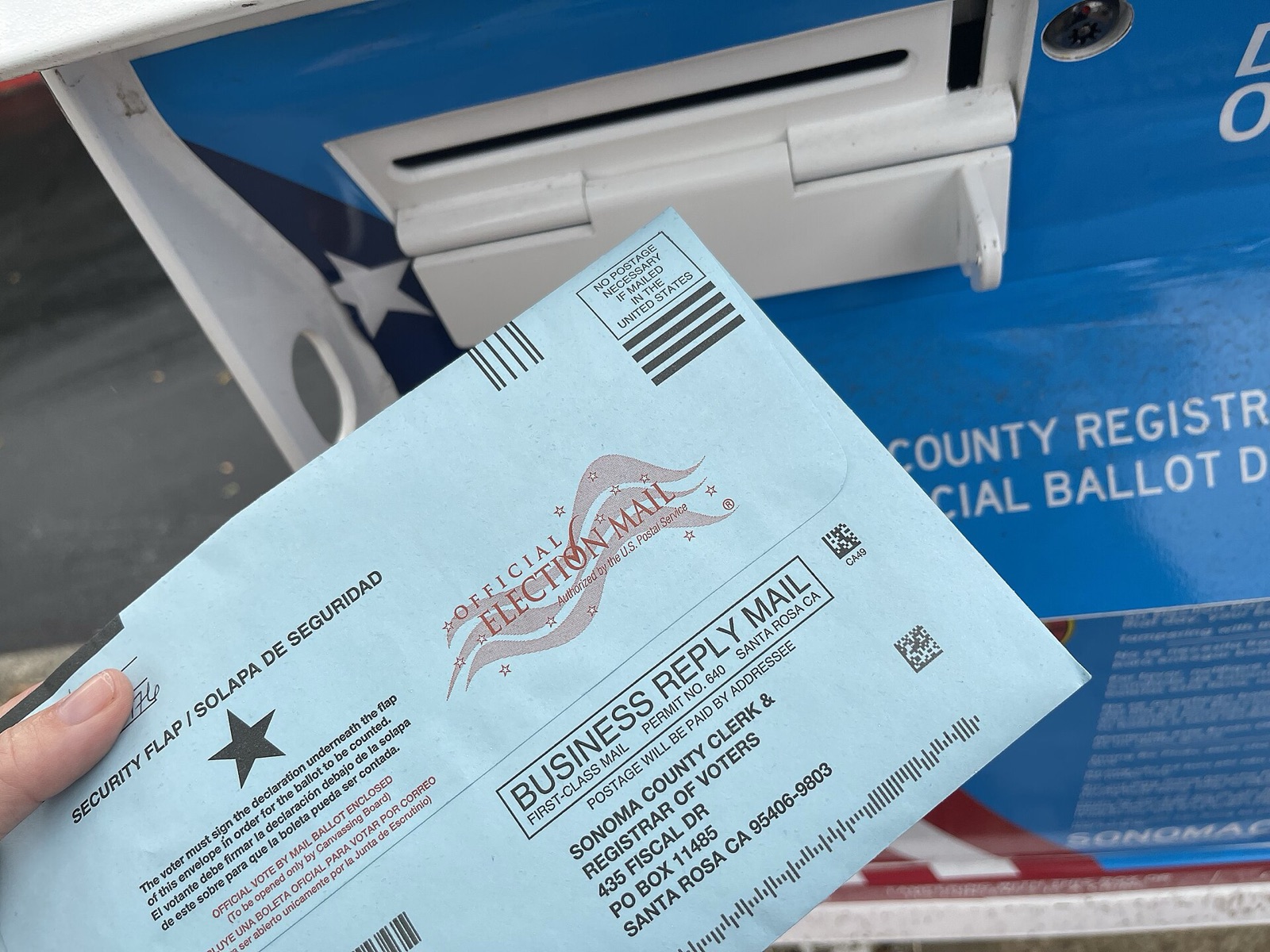
Photo: Sarah Stierch / Wikimedia Commons, licensed under CC BY 4.0.
2026 Midterm Election Markets on Kalshi: Source Checklist
Quick answer: The next regular federal general election is Tuesday, November 3, 2026. All 435 U.S. House seats and about one-third of U.S. Senate seats are part of the regular midterm cycle. This page is a static source checklist, not a live probability tracker. It does not claim that any particular Kalshi election market is currently open.
Primary sources checked: July 19, 2026. USAGov's midterm election overview covers the federal offices on the ballot, the Federal Election Commission's election information page provides the November 3 date and certification context, and the U.S. Senate Class II page identifies the regular Senate class in this cycle. Market checks use Kalshi's market-rules help page, the live Kalshi markets directory, Kalshi's fee schedule, and the CFTC's Kalshi designation record.
What the official election sources establish
- Date: The FEC lists Tuesday, November 3, 2026 as the next regular federal general election.
- House: USAGov says all 435 voting seats in the U.S. House of Representatives are contested during a midterm election.
- Senate: USAGov says one-third of U.S. Senate seats are contested, and the Senate identifies Class II as the regular class whose current terms end January 3, 2027.
- Certification: The FEC explains that state election offices certify official election results and that the FEC compiles federal results later. The FEC does not itself declare winners.
Those facts establish the public election calendar. They do not establish that Kalshi lists a particular market, what its wording is, or how it will settle. For current prices, open Kalshi directly and read the selected market's rules before trading.
How to verify a live Kalshi election market
- Confirm that the market exists now. Use the live Kalshi markets directory. A search result, an old screenshot, or this article is not proof of current availability.
- Copy the exact question. Distinguish chamber control, a seat total, an individual race, a party nominee, and a margin. Similar descriptions can represent different outcomes.
- Read the market's own rules. Kalshi says each market has specific rules and a listed outcome verification source. Those live rules control over any summary here.
- Record the deadline. Separate the final trading time, expiration, and expected determination time. Do not infer them from Election Day alone.
- Record the named source. Identify the exact source and the precise condition that triggers settlement, including what happens if certification is delayed or contested.
- Check the order book and current fees. A displayed quote is not necessarily the executable price for the full order. Apply the current fee schedule to the intended order.
Extra checks for a chamber-control contract
Do not assume that ordinary political shorthand matches a contract definition. Before evaluating a House or Senate control market, answer these questions from the live rules:
- Is control measured by certified winners, members seated, party affiliation, or caucus alignment?
- How are independents counted?
- Does a Vice President's tiebreaking role affect the definition?
- How do vacancies, unresolved contests, recounts, court proceedings, or delayed certifications affect determination?
- Which official source is named, and what is the fallback if that source is late or ambiguous?
The Senate Class II list is useful for confirming which regular class is in the 2026 cycle. It is not a forecast of competitiveness and it does not identify which individual races Kalshi lists.
A reproducible research record
For any market reviewed, save a timestamped research note with the exact market URL, ticker if shown, full question, rules URL, named settlement source, last trading time, order-book snapshot, fee schedule version, and every assumption used. Recheck the live rules before placing an order because availability and wording can change after this article's review date.
What this checklist deliberately does not do
- It does not quote live odds, volume, spreads, or a party's chance of control.
- It does not label states as safe, competitive, or likely to flip.
- It does not predict candidate entries, retirements, recounts, or certification timing.
- It does not treat the Senate class list as Kalshi settlement language.
Frequently Asked Questions
When is the 2026 federal general election?
The FEC lists the next regular federal general election as Tuesday, November 3, 2026. Verify any state-specific registration, primary, early-voting, and certification dates with the relevant state election office.
Does this page confirm that a particular 2026 election market is live on Kalshi?
No. This is a static source checklist. Use Kalshi's current markets directory to confirm availability, then read the selected market's own rules before trading.
What should be checked in a chamber-control market's rules?
Check the exact question, how independents and any tiebreaker are treated, the named settlement source, the deadline, and any edge-case language. The live market rules control.
Where can current Kalshi fees be verified?
Use Kalshi's current fee schedule and apply it to the intended order. Do not rely on an old fee example or a quoted market price on this page.
Not financial advice. This site provides educational information only. Trading involves risk, and you can lose money. Verify current market rules and do your own research.
Follow source-backed Kalshi market notes and new site articles at
@Kalshi_market.
Free, no signup, no upsell.
